


Restaurant Email and SMS Marketing: Automated Campaigns That Drive Repeat Visits and Increase Revenue
Most restaurants know their best guests by face but not by name. The Friday-night regular at the bar, the couple who books anniversary dinners three years running, the family that orders takeout every Sunday. These are the relationships that carry an operation through slow weeks, and almost none of them live in a system the restaurant can actually reach. They live in the host’s memory, on the bartender’s notepad, in the order history of a delivery app the restaurant doesn’t control. When the bartender quits, the relationship leaves with them.
Email and SMS solve that problem by turning recognition into infrastructure. A guest captured into an owned database is one the restaurant marketing program can invite back, segment by visit history and spend, and reactivate when a slow Tuesday needs filling. The tools are accessible, the integrations are mature, and the operators treating email and SMS as core guest-relationship infrastructure are filling seats while their competitors keep paying intermediaries to do it for them.
Why Email and SMS Marketing Are Essential Owned Channels for Restaurants in 2026
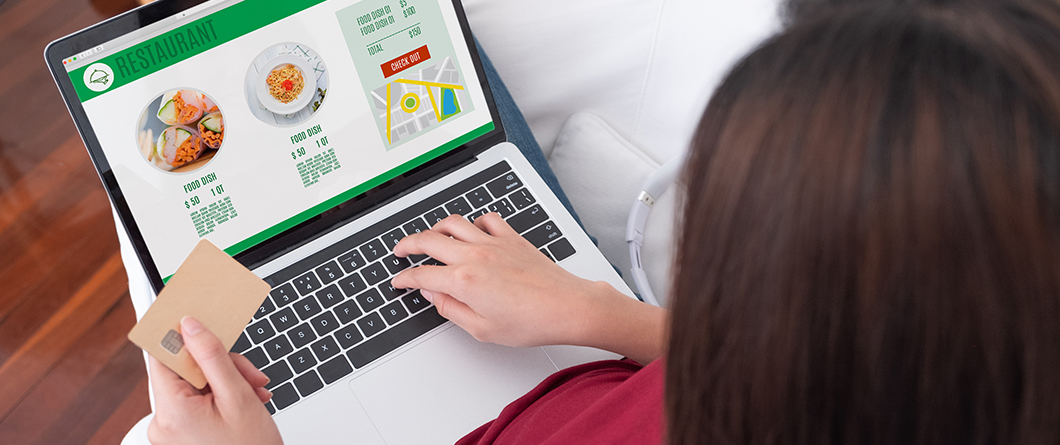
Third-party delivery platforms keep a substantial share of every order. DoorDash’s commission tiers run 15%, 25%, and 30%. Grubhub charges a 5% to 20% marketing commission, plus an additional 10% delivery fee, and Uber Eats raised its rates in March 2026 to a 20% to 30% range, according to Food On Demand. Add the parallel reality on social, where Socialinsider’s analysis of 25 million Facebook posts puts the average page engagement rate at 0.15%, and the picture sharpens. Restaurants spent the last decade building audiences on rented land, and the rent keeps going up.
Email and SMS reverse the equation. They are owned, deliverable on the operator’s schedule, and immune to the algorithm changes that can erase a Facebook page’s reach overnight. Once a guest opts in, the per-message cost is a tiny fraction of what a marketplace collects on a single transaction, with no platform taking a cut of the resulting order. Every guest captured into an owned database is a guest the restaurant can reach without paying a gatekeeper.
What makes 2026 different is the maturity of automation tools built for hospitality. Platforms like Toast, Square, Klaviyo, and SMSBump now plug directly into POS data, which means birthday flows, win-back sequences, and post-visit follow-ups fire automatically based on real transactions rather than guesswork. An independent operator with no in-house marketing team can run the same automated sequences that national chains used to deploy with seven-figure martech budgets.
How Much More Do Loyalty and Repeat Guests Spend Per Visit?
Repeat guests visit meaningfully more often than first-timers, which is why owned-channel marketing pays back faster than acquisition spend. Circana’s 2025 analysis of receipt data from four of the largest U.S. restaurant loyalty programs found that loyalty members make 22% more restaurant visits per year than nonmembers and now account for 39% of total restaurant visits, with loyalty traffic up 5% in 2024 even as overall restaurant traffic declined 2%. That visit-frequency premium compounds quickly when paired with the higher per-check average retained guests deliver. Email and SMS are the most cost-efficient retention channels available for capturing and reactivating those higher-frequency visitors.
Building Your Restaurant Customer Database: Collecting Emails and Phone Numbers at Every Touchpoint
Most restaurants collect a fraction of the contact information that their daily guest flow surfaces. A 200-cover dinner shift puts hundreds of guests through the door, and the typical operation walks away with five or ten new emails, most captured by accident. The gap is rarely intended; what’s missing is a system that captures contacts passively across every touchpoint without slowing the kitchen or interrupting the server.
The five highest-yield collection points are reservation systems, online ordering, Wi-Fi sign-on, POS-integrated digital receipts, and table-top QR codes. Platforms like OpenTable, Resy, and Toast Tables capture guest data on every booking, and a well-configured restaurant pushes it automatically into its email tool. Online ordering is the same logic at a higher volume. Wi-Fi captive portals turn the free-network expectation into a clean opt-in, and digital receipt opt-ins convert the highest-intent moment of the visit, which is when guests are paying for an experience they just had.
Where most restaurants leak contacts is in the gaps between systems. A guest who books on Resy, orders takeout through ChowNow, and pays with a credit card at the counter shows up as three different records in three different systems that never speak to each other. Toast’s 2025 Voice of the Restaurant Industry Survey underscored how much operators rely on integrated technology to manage profitability and the guest experience under labor and cost pressure. A unified guest database, fed by every system the restaurant already uses, turns that fragmentation into a single profile the marketing strategy can actually use. Compliance language and clear opt-in framing should be built into every capture flow from the start.
Email Versus SMS: When to Use Each Channel for Maximum Impact
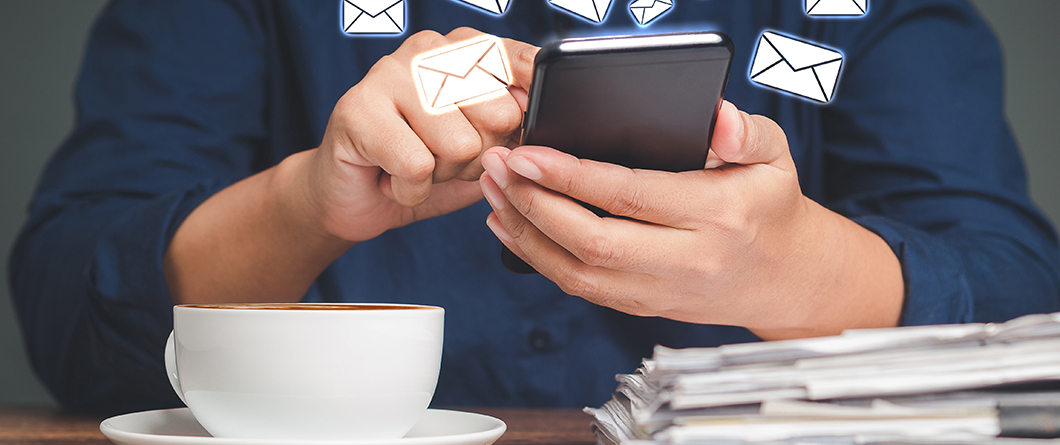
Email and SMS are complementary channels, not interchangeable ones. Email handles depth, context, and longer-form storytelling, with room for menu visuals, multi-section newsletters, and detailed event invitations. SMS handles immediacy, brevity, and high-intent moments where a guest needs information now, which makes it the natural fit for restaurant mobile marketing strategies. The restaurants that get the most out of owned-channel marketing run both, segmented to the message types each channel was built for.
Email is the right channel for monthly newsletters, new menu announcements, longer storytelling about chef partnerships or seasonal sourcing, loyalty program updates, and post-visit thank-yous. Welcome series, birthday campaigns, and win-back sequences with a soft narrative all live naturally in email. The trade-off is open-rate dependence; even a well-built list sees only a fraction of recipients open any given send, so the channel works on aggregate volume across the calendar rather than individual message certainty.
SMS is the right channel for reservation confirmations and reminders, day-of-event prompts, flash promotions tied to slow nights, and high-urgency operational messages. The format demands brevity, which forces every word to earn its place, and the channel’s near-immediate read behavior makes SMS the only owned channel that can move guest decisions inside a same-day window. Frequency discipline matters more on SMS than on email; one well-timed message per week is the upper bound for most concepts.
The decision framework is straightforward. If the message needs to be read within the hour, send SMS. If it benefits from visuals or a longer context, send an email. If it is operational and time-sensitive but not urgent, like a reservation reminder, the answer is often both: email confirming the booking, SMS reminding two hours before.
What Open Rates Can Restaurants Expect from Email Versus SMS?
Open rates separate the two channels by an order of magnitude. According to Constant Contact’s Q1 2026 benchmark, the average email open rate across all industries sits at 30.8%, with top-performing senders reaching 48% when emailing about three times a week to engaged lists of 13,000-plus subscribers. Gartner research, by contrast, reports SMS open and response rates as high as 98% and 45%, with most recipients reading texts within minutes of delivery. Email carries rich content but reaches a minority of the list per send. SMS reaches nearly the entire list within minutes but tolerates only short, high-value messages. Used together, the two channels cover the full range of urgency and depth that a guest journey requires.
Automated Campaign Sequences: Welcome, Birthday, Win-Back, and Post-Visit Flows
Four automated sequences carry the weight of most restaurant email and SMS programs. Welcome flows greet new subscribers within 24 to 72 hours of sign-up, when interest is fresh, and the brand has the highest permission to communicate. Birthday flows fire a week before the guest’s date with a complimentary offer designed to bring in a celebration party, since birthday diners rarely visit alone. Win-back flows trigger after a guest passes a dormancy threshold, typically 60 or 90 days, with an incentive calibrated to pull them back without permanently discounting the brand. Post-visit flows trigger off POS transaction data within 24 to 48 hours of the meal.
These four anchor most programs because they map cleanly to the moments guests are most likely to act, inside windows where the marginal cost of contact is nearly zero, and conversion probability is meaningfully higher than a generic newsletter blast.
What separates a working automation program from a dormant one is the connection to real behavioral data. Birthday flows that rely on guests manually entering their date of birth reach only a small slice of those who bother. Post-visit flows that trigger off email engagement rather than actual transactions miss every guest who walked in without scanning a QR code. The mature setup pulls triggers directly from POS, reservation, and online ordering systems, which is the integration work an agency partner typically owns, while the operator focuses on food and service.
How Many Automated Campaigns Should Restaurants Send Per Month?
Volume matters less than the trigger fit behind each send. Across Omnisend’s 2026 ecommerce benchmark analysis, automated emails accounted for just 2% of total sends but drove 30% of revenue, earning 16 times more per message than scheduled campaigns, with food and drink ranking among the highest-converting industries at a 14.9% click-to-conversion rate. Automation volume should scale to behavioral triggers, not calendar cadence. A typical setup runs three to five automated touchpoints per guest per month across welcome, birthday, win-back, and post-visit flows, supplemented by one or two monthly newsletter sends.
Segmentation Strategies: Targeting Guests by Visit History, Spend, and Preferences
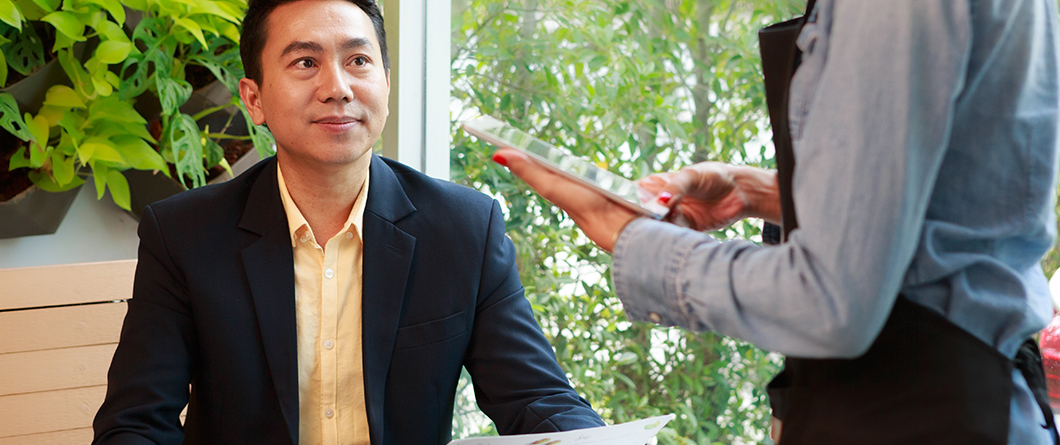
Segmentation is what separates an email program that drives revenue from one that drives unsubscribes. A guest who comes in every Friday for happy hour should not receive the same message as a guest who came once eighteen months ago for a birthday dinner. Treating the two identically wastes the database, since a single blast is calibrated for neither audience.
The four most useful dimensions for restaurants are visit frequency, average spend, last visit date, and item or category preference. Frequency separates regulars from occasionals from lapsed guests, and each needs different content. Regulars respond to insider access and early invitations to new menu launches. Occasionals respond to anchored reasons to come back, like seasonal menus or events. Lapsed guests need a clear incentive paired with a reminder of what they enjoyed last time. Spend data layers on top to identify higher-check guests who sustain premium experiences. Item-level preference data, pulled from POS systems, supports the most targeted sends.
POS, reservation, and email integrations now handle most of the data plumbing automatically. The harder work is operational discipline: building a segment library once and updating it quarterly outperforms defining a new audience for every campaign.
How Much More Do Segmented Restaurant Campaigns Earn Than Generic Blasts?
Mailchimp’s analysis of approximately 2,000 users, 11,000 segmented campaigns, and nearly 9 million recipients found that segmented campaigns averaged 14.31% higher opens and 100.95% higher clicks than non-segmented campaigns, with bounces, abuse reports, and unsubscribes all lower across the board. For restaurants, that click-rate doubling translates directly to reservation traffic, online order conversions, and event RSVPs, since clicks map closest to revenue in a hospitality context.
Crafting Messages That Convert: Copy, Offers, and Timing That Drive Repeat Visits
The mechanics of a converting restaurant message come down to three variables: what the message says, what it offers, and when it lands. Get any one of those wrong and the send underperforms regardless of how clean the list.
Copy works best when it sounds like the restaurant rather than the platform. Subject lines under fifty characters outperform longer ones because most inboxes truncate, and preview text should reinforce the subject rather than restate it. A neighborhood pizzeria writes differently than a chef-driven tasting menu, and email copy that flattens that distinction loses brand equity. SMS copy demands tighter discipline. Every word costs character budget against a 160-character cap, and the message should lead with the offer or the action, not the salutation.
Offers are split into two categories that should be deployed for different reasons. Value offers like a complimentary appetizer or 15% off a return visit work for win-back and post-visit flows where the goal is recovering a guest. Access offers like first dibs on a chef’s dinner or a reservation hold for a sold-out event work for regulars who value belonging over discounting. Mixing the two creates problems on both ends. Discounting loyal regulars trains them to expect a markdown they didn’t need.
Timing aligns the message to the guest’s decision window. Email campaigns for weekend dining land best on Tuesday through Thursday morning. SMS promotions for slow nights land best the morning of, when the day is still open. Birthday emails should arrive five to seven days before the date, not the day itself, so guests can make a reservation that fits the celebration.
SMS Compliance and Best Practices: Opt-In Requirements, Frequency, and Avoiding Opt-Outs
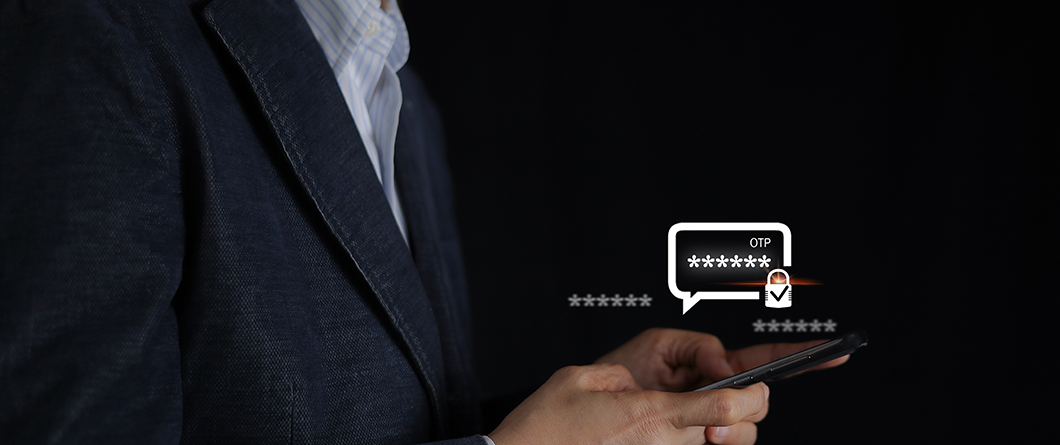
SMS marketing operates under stricter legal requirements than email, and a noncompliant program can expose the channel to liabilities that dwarf its revenue lift. The federal framework is the Telephone Consumer Protection Act, which carries statutory damages of $500 to $1,500 per violation, per class member, with no requirement that the consumer prove actual injury. A single mishandled list can produce class-action exposure measured in six figures.
The core TCPA requirement for marketing SMS is prior express written consent. A guest must take a clear affirmative action, like checking an unchecked box or texting a keyword to a short code. The consent record needs to identify the specific business, state that consent is not a condition of purchase, and explain how to opt out. Pre-checked boxes, verbal consent, and assumed consent based on having a phone number all fail the standard. Transactional messages like reservation confirmations operate under a lower bar, but a single promotional line can convert them into marketing messages.
The FCC’s Opt-Out Rule, effective April 11, 2025, tightened revocation requirements. Consumers may now revoke consent in any reasonable manner, including STOP, QUIT, END, CANCEL, or UNSUBSCRIBE, and businesses must honor the revocation within ten business days. A one-time clarification message is permitted within five minutes, but it cannot contain promotional content.
Frequency discipline is the operational complement to legal compliance. Most restaurant SMS programs perform best at one message per week or less. Pushing beyond that increases opt-outs faster than it increases revenue, and unlike email, an SMS opt-out is permanent and platform-enforced.
Measuring Email and SMS Marketing ROI: From Open Rates to Repeat Visits and Revenue
Most restaurants undermeasure their owned-channel marketing, which is why operators sometimes question whether the program works. The fix is moving past surface metrics toward a four-layer funnel: delivery, engagement, conversion, and revenue. Restaurants that measure all four can prove the channel’s value to ownership; restaurants that stop at engagement are guessing.
The most important attribution work happens at the conversion and revenue layers, because that is where email and SMS connect to the kitchen. UTM parameters on every link let Google Analytics 4 track the path from message to website action. Reservation platforms with campaign attribution match individual bookings back to the email or SMS that prompted them. POS systems with email-matching capabilities, increasingly standard in 2026, tie redeemed offers to the original promotion code without manual reconciliation. This is comparable to tracking foot traffic from paid social campaigns, and the agency’s role is connecting these systems at the start so the data flows automatically.
The metrics that matter for ongoing optimization are conversion rate per campaign, average revenue per recipient, list growth rate net of unsubscribes, and lifetime value by acquisition source. Vanity metrics like total list size or raw open rate tell a flattering story but don’t inform decisions.
What Email Marketing ROI Do Restaurants Generate Per Dollar Spent?
Email marketing produces the highest documented ROI of any digital channel. According to Litmus, email drives an average ROI of $36 for every dollar spent, higher than any other channel, verified across nearly 500 marketing professionals surveyed for their State of Email research. For restaurants, ROI tends to cluster near or above that benchmark because food and beverage email programs convert on a shorter consideration cycle than ecommerce, and the marginal cost of a return visit is far lower than a new customer acquisition. A modestly built program with basic automation and segmentation should pay back within the first 60 to 90 days of operation.
Frequently Asked Questions About Restaurant Email and SMS Marketing
How do restaurants collect customer email addresses and phone numbers without disrupting service?
The most effective collection happens passively across digital touchpoints rather than at the host stand. Reservation platforms, online ordering systems, Wi-Fi captive portals, digital receipt opt-ins at checkout, and table-top QR codes each capture contact data during the natural flow of a visit. A properly configured stack pulls these inputs into a unified guest database automatically, so servers and hosts can focus on hospitality while the marketing list grows in the background.
Should restaurants use email or SMS for promotions, and how often should they send messages?
Use both, but for different purposes. Email handles longer-form content like newsletters, menu launches, and birthday flows, with one to four sends per month being a typical cadence. SMS handles time-sensitive promotions, reservation reminders, and same-day prompts, with one message per week as the practical upper bound for most concepts. Pushing beyond these thresholds increases opt-outs faster than it increases revenue, and SMS opt-outs are permanent.
What automated campaigns deliver the best return for restaurants just getting started?
Four sequences carry the weight of most programs: a welcome flow for new subscribers, a birthday flow timed five to seven days before the date, a win-back flow triggered after 60 to 90 days of inactivity, and a post-visit flow firing from POS transaction data within 24 to 48 hours of the meal. Restaurants new to automation should build these four first before adding more elaborate logic.
What legal requirements must restaurants follow when sending marketing text messages?
The Telephone Consumer Protection Act requires prior express written consent before sending marketing SMS, with statutory damages of $500 to $1,500 per violation, per class member. Consent must identify the specific business, state that consent is not a condition of purchase, and explain the opt-out. The FCC’s April 2025 Opt-Out Rule also requires honoring revocation requests within ten business days, with a single permitted clarification message sent within five minutes.
What guest data should restaurants use to personalize email and SMS campaigns?
The four most useful dimensions are visit frequency, average spend per visit, last visit date, and item or category preferences pulled from POS data. Regulars respond to insider access and event invitations. Occasionals respond to anchored reasons to return. Lapsed guests need clear incentives. Higher-spend guests sustain premium experiences. Layering these dimensions creates segments that meaningfully outperform a single broadcast list.
What is the average ROI of restaurant email marketing compared to other channels?
Email marketing produces the highest documented ROI of any digital channel. Litmus research across nearly 500 marketing professionals puts the average return at $36 for every dollar spent, with top-performing programs exceeding that benchmark substantially through automation, segmentation, and consistent testing. For restaurants, ROI tends to cluster at or above that figure because the consideration cycle is short and the marginal cost of a return visit is far lower than acquiring a new guest.