


3 Ways Good Healthcare Marketing Strategy Incorporates Behavior Change

Most healthcare marketers can point to a campaign that hit every reach target and still left the outcome they cared about untouched. Screening appointments stayed flat, clinic visits held steady, and the audience carried on with the same routines they had before the first impression served. That gap between knowing and doing sits at the center of every health communication challenge, and it explains why the strongest healthcare marketing strategies are built around behavior rather than information alone.
Behavior change marketing gives healthcare organizations a way to close that gap with intention. It draws on decades of public health research to shape messaging that moves people toward a specific action, accounts for the real-world barriers standing in their way, and measures success by what people actually do. For CMOs and communications leaders deciding where to invest, three principles separate campaigns that inform an audience from campaigns that change what patients and communities do next: moving messaging from awareness to intention, designing around real barriers and community context, and measuring behavior outcomes alongside reach.
Why Awareness Alone May Not Be Enough to Change Behavior
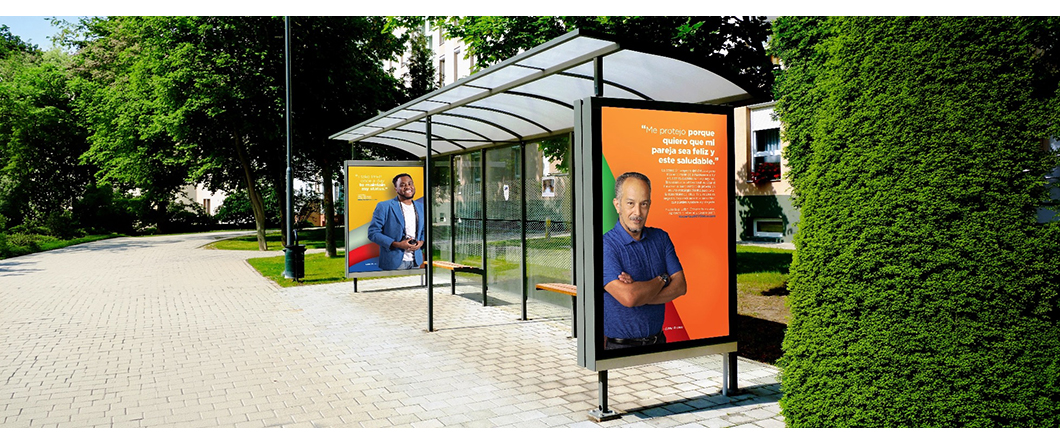
Awareness has long been a common goal for healthcare campaigns, in part because it is easy to measure. Impressions, reach, and recall scores show up cleanly in a report and confirm that a message is reaching people. Awareness is often where action begins, and most audiences also need help with timing, access, and follow-through before knowledge becomes a scheduled appointment.
Smoking offers a clear illustration. Few health risks are better understood by the public, and most people who smoke already want to stop. In 2022, 67.7% of U.S. adults who smoked wanted to quit, yet only 8.8% successfully quit in the past year. For this audience, awareness and motivation are already in place, and the greater opportunity lies in helping people turn that motivation into a concrete step, with support for the barriers that make quitting hard to sustain.
Research on mass-media health campaigns points in the same direction. A review of campaigns spanning tobacco, alcohol, heart disease, cancer screening, and more found that mass media campaigns can produce positive changes in health behavior across large populations, especially when the services, products, and policies people need to act are available simultaneously.
For healthcare organizations, awareness works best as a starting point. A patient who knows a colonoscopy matters may still need to arrange time off work, find transportation, work through anxiety about the procedure, and make the call to schedule. Behavior change marketing builds support for each of those decision points into the strategy from the start.
How Much More Effective Is Behavior-Focused Messaging Than Pure Awareness Messaging in Healthcare Campaigns?
In a field experiment on flu vaccination, employees prompted to write down the date and time they planned to get vaccinated had a vaccination rate 4.2 percentage points higher than employees who received a reminder listing only clinic times and locations. The control group’s vaccination rate was 33.1%, and both groups had the same information about where and when to go. The only difference was a prompt asking people to commit to a specific plan, which turned general awareness into a scheduled action. For healthcare marketers, the lesson applies well beyond flu season: messaging that asks for a specific, time-bound action gives an audience a clearer path to follow than messaging that only explains why the action matters.
What Behavior Change Marketing Actually Means in a Healthcare Context

Behavior change marketing is the practice of building a campaign around one specific action an audience should take, then shaping the message, channel, timing, and offer to make that action easier and more appealing. It borrows from social marketing and behavioral science, and in healthcare the target action might be scheduling a screening, refilling a prescription on time, enrolling in a telehealth program, or bringing a child in for a well visit. Health education plays an important supporting role by explaining what a condition is and why a behavior matters. Behavior change marketing builds on that foundation, since people need information they can understand and use, along with practical support, to act on it.
In practice, the approach begins by defining the behavior precisely. “Raise breast cancer awareness” becomes “get women in our service area who are due for a mammogram to book one within 30 days.” From there, the strategy maps the motivators and barriers specific to that audience, selects the tactics most likely to address them, and sets measures tied to the action itself. Every creative and media decision traces back to that single behavior, which keeps campaigns focused and makes results easier to evaluate.
What Are the Core Elements of a Behavior Change Marketing Strategy in Healthcare?
A behavior change marketing strategy in healthcare rests on three conditions identified in a review of 19 behavior change frameworks: capability, opportunity, and motivation. Capability covers whether a person has the knowledge and skills to act, such as understanding how to prepare for a colonoscopy. Opportunity covers the external factors that make the action possible, including appointment availability, cost, transportation, and social support. Motivation covers the beliefs, emotions, and habits that drive a person to act or hold back. A strong strategy pairs each of these with a clearly defined target behavior, an audience-specific diagnosis of which condition is missing, tactics matched to that gap, and metrics that track whether the behavior actually occurred.
Way One: Moving Messaging From Awareness to Intention

Awareness messaging explains why a health behavior matters. Intention-focused messaging takes the next step and asks the audience to decide, giving them a clear answer to what they should do, when, and where. That shift sounds small on paper, yet it changes nearly every element of a campaign, from the headline and call to action to the timing of delivery and the page a person lands on after they click.
The most effective healthcare messaging narrows the ask to a single, concrete action and removes as much guesswork as possible. Planning prompts, personalized language, and well-timed reminders all help close the space between a good intention and a completed appointment. In a study of nearly 690,000 pharmacy patients testing 22 different behaviorally informed text reminders, the messages increased flu vaccination rates by an average of 2.0 percentage points, and the strongest performers told patients a flu shot was waiting for them and arrived on more than one day. Language that framed the vaccine as already set aside for the patient made acting feel like the natural next step.
Consider how this plays out for a health system promoting mammograms in October. An awareness approach leans on the month’s significance and general statistics about early detection. An intention approach speaks to a defined audience, names the action, and makes it easy to complete: a message letting eligible patients know their screening is due, with available times at a nearby location and a one-tap path to book. Both messages can live in the same campaign, though only the second one is built to produce an appointment.
For CMOs, this principle reshapes the creative brief. Every asset should name the specific behavior it supports and the next step it asks the audience to take, and every click should lead somewhere that makes that step simple. Landing pages, scheduling tools, call center scripts, and follow-up reminders become part of the message itself, because a strong ad that hands off to a confusing booking process loses the intention it worked to create.
Way Two: Designing Around Real Barriers and Community Context, Not Generic Audiences
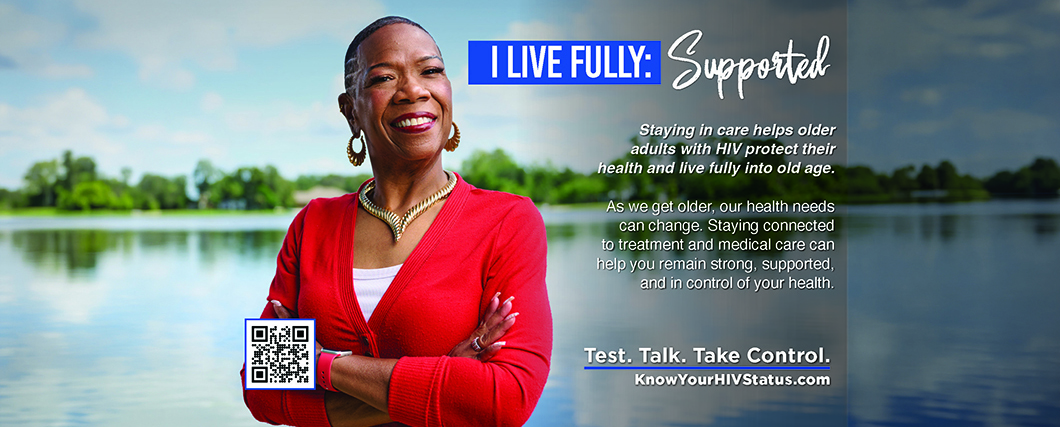
Broad audience definitions like “adults 35 to 64” or “women in our service area” make media planning simple, though they hide the specific reasons a group of people does or does not act. Barrier-driven design starts with a sharper question: what stands between this audience and the behavior we want, and what would make the action feel possible for them? The answer is rarely the same across neighborhoods, age groups, languages, or communities, which is why one-size-fits-all messaging tends to reach many people and move relatively few.
Cost remains one of the most common obstacles. Roughly 28% of U.S. adults say they skipped or postponed needed health care in the past 12 months because of the cost, and the barrier extends well beyond the uninsured. When cost is the real hesitation, a campaign that clearly states a screening is covered, free, or offered on a sliding scale answers the question the audience is actually asking. An emotional appeal about early detection, however well crafted, leaves that question open.
Other barriers are practical or personal. Limited clinic hours, childcare, transportation, and language access shape whether an appointment fits into someone’s week. Fear of a diagnosis, past experiences with the health system, and stigma around certain conditions shape whether a person wants to make the call at all. Community context adds another layer, including which voices the audience trusts, which channels they rely on, and whether the imagery and language in a campaign reflect the people it hopes to reach. Local pastors, community health workers, barbers, and neighborhood organizations often carry more credibility than a health system’s brand account.
Uncovering these factors takes deliberate research before creative development begins. Listening sessions, community partner interviews, patient surveys, and a close look at existing utilization data help identify which barrier matters most for each audience segment. A rural county promoting a free screening event may find that Saturday hours and a mobile unit parked at the local grocery store matter more than any headline, and messaging that leads with those details gives the audience a clear reason to show up.
How Does Culturally and Community-Specific Messaging Improve Public Health Campaign Outcomes?
In a meta-analysis of randomized controlled trials, culturally tailored educational interventions were associated with an 18% relative increase in mammography attendance and a 54% relative increase in Pap test attendance among ethnic minority women, compared with women in control groups. These figures describe proportional increases over the comparison groups’ attendance rates rather than percentage-point gains. The interventions adapted content to the language, cultural norms, and lived circumstances of the women they served, rather than relying on a single message written for the general population. The researchers noted that Pap test results varied considerably across studies, whereas mammography findings were more consistent. Taken together, the evidence suggests that messaging built around a community’s specific language, values, and barriers can produce measurable gains in screening participation, particularly among audiences that general campaigns tend to underserve.
Way Three: Measuring Behavior Outcomes, Not Just Reach and Engagement

Reach, impressions, and engagement show that a message traveled. They confirm that people saw the campaign and, in some cases, interacted with it. What they cannot confirm is whether anyone booked the appointment, showed up for the screening, or refilled the prescription, and for healthcare organizations accountable to boards, funders, and patients, those completed actions are the results that matter most.
A useful way to frame measurement is as a ladder with five rungs: exposure, awareness, intention, action, and sustained behavior. Media metrics live on the bottom rungs, while the top rungs capture what the campaign was built to change. Behavior metrics in healthcare often include appointments scheduled and kept, screenings completed, vaccines administered, prescriptions filled on time, patient portal enrollments, and calls to a quitline or nurse line. Each one ties directly to the specific behavior defined at the start of the strategy, which is why that early precision pays off at the reporting stage.
Measuring behavior requires planning before launch. The target metric and its baseline should be set in the brief, along with the systems that will capture it, such as scheduling platforms, call tracking, and electronic health records connected through HIPAA-compliant processes. Comparison markets or holdout groups help separate the campaign’s effect from seasonal trends, and measurement windows need to match the behavior itself, since a screening decision may unfold over weeks rather than days.
Leading indicators still earn a place in the plan. Clicks to an online scheduler, calls from campaign landing pages, and form starts give teams early signals to optimize creative and media while the campaign runs. The final report, however, should answer the question leadership will ask first: how many people took the action we set out to drive, and how many kept doing it. That standard sits at the center of evok’s behavior change marketing work, where campaign performance is measured against behavioral KPIs.
What Metrics Best Indicate Whether a Health Campaign Actually Changed Behavior?
The strongest indicators of behavior change are completed actions measured against a baseline or comparison group, the approach the CDC used to attribute an estimated 16.4 million quit attempts and more than 1 million sustained quits to its Tips From Former Smokers campaign between 2012 and 2018. CDC linked television-ad exposure with longitudinal survey data to estimate campaign-associated quit attempts. Longer-term quit estimates combined six-month abstinence data with published relapse estimates. That structure separates short-term action from longer-term outcomes, giving a far clearer picture of impact than ad views or engagement rates. For healthcare marketers, comparable metrics include screenings completed, appointments kept, vaccines administered and medication refills, each tracked against what would have happened without the campaign.
Behavior Change Marketing in Practice: What a Public Health Campaign Can Teach Broader Healthcare Marketing

Public health campaigns work under conditions that force strategic discipline. Budgets are limited, audiences are often skeptical or hard to reach, and results face public scrutiny from funders, agencies, and the communities being served. Those pressures push campaign teams to define the behavior precisely, understand the audience deeply, and prove that the work produced change, which makes public health one of the best proving grounds for behavior change principles.
The lessons from public health translate directly to the rest of healthcare marketing. A health system promoting orthopedic consultations, a practice growing primary care enrollment, or a behavioral health provider encouraging first appointments all face the same core challenge: moving a specific audience toward a specific action despite real barriers. The same three principles apply. Define the behavior in measurable terms, design around what holds the audience back, and report on completed actions alongside media performance.
Service line marketing often benefits most from this approach because elective decisions carry long consideration windows and many quiet points of hesitation. A patient weighing a joint replacement may spend months researching, worrying about recovery time, and checking with family before booking a consult. A campaign built with behavior change principles meets that person at each decision point with the reassurance, information, or practical help they need, then tracks whether the consult was actually scheduled.
What Can Public Health Campaign Results Teach Broader Healthcare Marketing Strategy?
Public health campaigns show how behavior-focused marketing can deliver measurable economic value. An economic evaluation of FDA’s The Real Cost youth tobacco prevention campaign estimated $128 in savings to individuals, families and society for every $1 spent, based on modeled long-term effects of preventing smoking. The campaign was associated with preventing roughly 350,000 young people from trying cigarettes between 2014 and 2016. These findings translate a change in behavior into an estimate of societal return, not revenue generated for healthcare providers or a benchmark for service-line campaign performance. For healthcare marketers, the takeaway is that campaigns built around a defined behavior can produce measurable outcomes leadership can evaluate. For service-line campaigns, that may mean tracking completed appointments, new patients or attributable revenue rather than relying on impressions alone.
What to Look for in a Healthcare Marketing Partner That Understands Behavior Change

Many agencies use the language of behavior change, and the term appears often in proposals and capabilities decks. The clearest way to separate real expertise from vocabulary is to watch how a potential partner approaches the first conversation. A partner experienced in behavior change marketing for public health and healthcare organizations will ask what action the organization needs people to take, who needs to take it, and what currently stands in their way, all before discussing creative concepts or media channels.
Research capability is the next signal. Behavior change strategy depends on understanding audiences at a level that demographic data alone cannot provide, so a strong partner brings a defined process for formative research, including listening sessions, community partner interviews, message testing, and analysis of existing utilization data. Experience working with community organizations and trusted local messengers matters just as much, especially for campaigns aimed at audiences that general healthcare marketing has historically underserved.
Creative and strategy should be connected by a visible thread. A capable partner can explain why a headline, image, or call to action was chosen in terms of the barrier or motivator it addresses, and can adapt that work for different languages, cultures, and community settings without losing the core message. Behavioral science should inform the creative without flattening it, since a message still needs to earn attention before it can change anything.
Measurement and compliance knowledge round out the evaluation. A partner should be able to describe how it will track completed actions such as appointments, screenings, and enrollments, and how it will do so responsibly. HHS has published guidance on how HIPAA rules apply to online tracking technologies used on healthcare websites and apps, and any partner handling campaign analytics for a covered entity should be fluent in those obligations. Useful questions to ask during selection include which behavior the partner would hold the campaign accountable for, how it would establish a baseline, and how it reports results when a tactic underperforms.
Building a Healthcare Marketing Strategy That Sustains Behavior Change Beyond the Campaign

Many of the behaviors healthcare organizations care about most are recurring. Mammograms and colorectal screenings come due on a schedule, flu vaccines are needed every year, chronic condition management depends on daily medication, and preventive care relies on annual visits. A single campaign burst can produce a strong spike in appointments, though without a plan for what comes next, that spike tends to settle back toward the original baseline once the media stops running.
Research on habit formation helps explain why. In a 12-week study of volunteers who repeated a simple eating, drinking, or activity behavior once a day in the same context, researchers modeled how long participants whose data fit the model would take to reach 95% of their automaticity plateau, and those estimates ranged from 18 to 254 days. Estimates longer than the 12-week study period were projected from each participant’s trend rather than directly observed. Because the study looked at daily behaviors, healthcare actions that happen once a year or once every few years have far fewer repetitions to build on, so they tend to depend on consistent reinforcement from the systems around the patient.
Sustaining behavior change starts with owned channels and care-team integration. Recall and reminder programs, refill alerts, patient portal messages, and email or text sequences timed to each patient’s schedule keep the next action visible long after a campaign ends. Community partnerships built during a campaign can continue as ongoing relationships, giving trusted local messengers a lasting role. Creative should be refreshed on a regular cadence to avoid fatigue, and milestones such as a completed screening or a year of consistent refills can be recognized in ways that encourage patients to keep going.
The organizational side matters just as much. Each campaign should feed a learning loop, with results on completed actions, barriers uncovered, and messages that performed well informing the next round of strategy. Long-term metrics like repeat screening rates, medication adherence, and patient retention belong in the reporting alongside short-term campaign results. Budgets that support a steady, always-on presence between major pushes protect the gains a campaign creates, and treating behavior change as an ongoing program gives healthcare organizations the best chance of seeing those gains hold year after year.
Moving a healthcare audience from awareness to action takes more than a good message. It takes a defined behavior, a clear view of what stands in the way, and measurement tied to completed actions. If you’re ready to build that into your own campaigns, contact Evok’s healthcare marketing team to talk through your goals. We’ll help you pinpoint the behavior that matters most, design around the barriers your patients and communities face, and turn your next campaign into results you can measure.
Frequently Asked Questions About Healthcare Behavior Change Marketing
What’s the difference between health education content and behavior change marketing?
Health education content explains what a condition is, why a behavior matters, and what the risks or benefits look like. Behavior change marketing uses that information as one ingredient, then adds a specific target action, an understanding of the barriers holding the audience back, and tactics designed to make the action easier to take. Education builds knowledge, while behavior change marketing is built to produce a measurable result such as a booked appointment or a completed screening.
How long does it typically take for a behavior change campaign to show measurable results?
Early signals like scheduler clicks, calls, and form starts often appear within the first few weeks of a campaign. Completed actions such as screenings, vaccinations, or first appointments usually take longer to register, since many patients need time to fit the appointment into their schedule or talk it over with family. Sustained behavior, including repeat screenings or medication adherence, should be measured over many months, which is why the measurement window needs to be set in the plan before launch.
Does behavior change marketing apply to elective or non-urgent healthcare services, not just public health campaigns?
Yes, and elective services are often where the approach delivers the clearest returns. Orthopedic consultations, primary care enrollment, behavioral health intake, and specialty service lines all ask patients to take a specific action despite cost concerns, anxiety, scheduling hurdles, or uncertainty about the provider. Defining the action, designing around those barriers, and measuring completed appointments gives service line marketing the same discipline that drives successful public health work.
What role does patient trust play in whether a behavior change campaign succeeds?
Trust shapes whether an audience believes the message, the messenger, and the organization behind both, so it often determines whether a well-designed campaign moves anyone at all. Patients tend to act on guidance from sources they already know and rely on, including their own providers, community leaders, and people who share their background or experience. Campaigns that feature trusted voices, speak plainly about cost and process, and follow through on what they promise build the credibility that makes the next action easier to ask for.
Can behavior change marketing be measured with the same KPIs as traditional healthcare marketing?
Traditional KPIs like reach, impressions, click-through rate, and cost per lead still have a role, mainly as early indicators that help teams optimize while a campaign runs. Behavior change marketing adds outcome KPIs tied to the target action, such as appointments kept, screenings completed, vaccines administered, and refill rates, along with longer-term measures like repeat behavior and patient retention. The strongest reporting connects both sets of numbers, showing how media performance led to completed actions.
How does behavior change marketing differ between consumer-facing campaigns and B2B healthcare marketing?
The core principles stay the same: define the action, understand the barriers, and measure whether the action happened. In consumer-facing campaigns, the target is usually an individual patient deciding whether to book, show up, or follow through. In B2B healthcare marketing, the target might be a physician deciding whether to refer, an employer deciding whether to add a benefit, or a health system deciding whether to adopt a new program, and the barriers tend to involve workflow, budget approval, and multiple decision-makers over a longer sales cycle.