


Destination Influencer Marketing: Micro-Influencer Strategies That Drive Measurable Visitation and ROI
Destination marketing now has to answer to real accountability around influencer spend. Tourism development councils and DMO boards want attributable returns on every dollar. Creator partnerships that used to sit quietly in the “brand awareness” line item now have to defend themselves like paid search and display. The trouble is that most destinations built their influencer strategies when the channel was still experimental. Those strategies do not align with what the 2026 measurement expects.
Many Gen Z and Millennial travelers say creator content shapes where they go. Booking windows still span months, but the inspiration-to-consideration moment now happens inside TikTok, Instagram Reels, and YouTube Shorts. It happens before a traveler ever opens Google. Destinations that under-invest in creator partnerships are not saving money. They are losing presence at the very moment travelers are building their shortlists.
So where does that leave DMOs trying to build something that works? Most mistakes occur in the same few places. Picking the wrong creator tier for the budget. Vetting that stops at follower count. Pay structures that do not match how travelers actually convert. Content rights that expire before the investment pays back. Platform strategy built on guesses about where travelers spend time. And attribution that falls apart the minute a board member asks a real question.
Why Influencer Marketing Has Evolved from Experimental Tactic to Core Destination Marketing Strategy in 2026

DMO budgets have not grown to match traveler attention. They have grown to match travelers’ distrust of traditional ads. That is the real shift behind influencer marketing. It moved from a line item DMOs tested five years ago to a core channel most are now building their 2026 plans around.
The reason is where inspiration actually happens. Travel influencer content shapes destination choices for 39% of consumers overall, and 57% say influencers have at least some impact on where they travel. For Gen Z and Millennial travelers, Simon-Kucher’s 2026 global study put that figure above 55%. Creator content is not next to the booking journey. For the audiences DMOs need most, it is the booking journey.
What changed for DMO CMOs is accountability. Boards and tourism development councils now want real returns on every dollar. That used to let influencer marketing off the hook because it was small and experimental. Now it is neither. The pressure pushes teams toward clearer platform roles, measurable creator tiers, defensible attribution, and quality controls that scale.
The strategic point for destinations is specific. A decade of Google-first search built DMO marketing around SEO and paid media. That work still matters. But it no longer captures where travelers move from inspired to interested. DMOs treating influencer marketing as a side tactic are under-investing at the exact point where their destination either makes the shortlist or does not.
What Average ROI Do Destination Influencer Campaigns Deliver in 2026?
Awareness-stage influencer campaigns for destinations usually generate $3 to $7 in Earned Media Value for every $1 spent, with top-quartile campaigns in engaged niches pushing above $10 in EMV per dollar. The gap between average and top performers almost always comes down to three things: creator-audience fit with the destination’s target traveler, content rights built for paid amplification and reuse, and attribution setup that tracks visits past the campaign window.
The Economics of Micro-Influencers vs. Macro-Influencers for Destination Marketing Budgets

The math of creator partnerships changes how DMOs should plan their budgets, and it rarely favors the biggest name a destination can afford. A single macro-influencer post in the five-figure range might reach hundreds of thousands of travelers. The same budget can fund 15 to 20 micro-creator partnerships. Those partnerships produce more total content, higher engagement per view, and a much better destination fit.
Most DMOs use these tier labels in 2026: nano (under 10,000 followers), micro (10,000 to 100,000), mid-tier (100,000 to 500,000), and macro or mega (500,000 and up). Each tier behaves differently on the two things that matter for DMO budget planning: cost per piece of content, and how engagement drops as audience size grows. Per Meltwater’s 2026 influencer pricing benchmarks, nano creators typically charge $20 to $100 per post, micro creators $100 to $5,000, and macro creators $5,000 to $10,000 or more.
For destinations, the micro tier has one big advantage beyond cost. Micro-creators tend to build audiences around a single interest or region. A paddleboarding creator with 40,000 followers reaches an audience that cares about paddleboarding. A travel macro-creator with 800,000 followers reaches a much broader audience, and destination fit gets diluted. For a DMO going after outdoor-adventure, fishing, culinary, or historic-tourism travelers, niche fit drives stronger conversion than raw reach.
Portfolio construction is the lever most DMOs under-use. A program of 10 to 20 creators across seasons and interest niches produces steady content, multiple creative angles, and a hedge against any single campaign falling short. That kind of steady performance matters when board members expect consistent results rather than a breakout hit.
How Do Micro-Influencer Costs Compare to Macro-Influencer Fees for Travel Campaigns?
Micro-influencers on Instagram charging $100 to $5,000 per post deliver the same content volume, and often a stronger audience fit than macro-creators charging $5,000 to $10,000 or more per post, according to Meltwater’s 2026 influencer pricing benchmarks. For a destination with a $25,000 campaign budget, that price gap becomes portfolio math: one macro partnership or a dozen or more micro-creator activations. The lower per-post cost at the micro tier also frees up budget for extended content usage rights, paid amplification, and attribution setup — the three line items that separate average DMO campaigns from top performers.
Vetting and Selecting Micro-Influencers: Engagement Quality Over Follower Count for Tourism Campaigns

Follower count is the worst metric to build a destination creator program around, yet it is still the default that most DMOs quietly rely on. A 200,000-follower travel creator with weak engagement reaches fewer genuinely interested viewers per post than a 35,000-follower outdoor-lifestyle creator with strong engagement. The bigger creator often costs several times more, too. The selection discipline that separates effective DMO programs from expensive ones comes down to five vetting layers, applied before any contract goes out.
Audience authenticity is the first screen. Tools like HypeAuditor, Modash, and Sparktoro check a creator’s followers for bots, ghost accounts, and suspicious engagement. If an audit flags a significant share of fake followers, that creator should be cut, not negotiated with. The second screen is the geographic audience. A Pacific Northwest creator with 70,000 followers only helps a Florida DMO if a real share of their audience lives in feeder markets like the Southeast, Northeast, or Midwest.
Niche fit is the third layer and the most overlooked. Destinations should name their target interest segments (outdoor recreation, culinary, historic, family, wellness, watersports) and judge creators on their actual posts over the last 90 days, not on their bio. Past brand-partnership performance is the fourth layer. Look at how the creator’s sponsored posts compared to their organic ones, and whether their tagged brand content still got real saves and shares.
Brand safety is the fifth layer. A full review of a creator’s recent posts, comments, and off-platform activity catches most potential reputation issues. DMOs skip this step more than any other, which is why most of the avoidable PR problems in destination influencer work trace back to it.
What Engagement Rates Should Destinations Expect from Micro-Influencers Versus Larger Creators?
Micro-influencers (10,000 to 100,000 followers) consistently deliver 2 to 3 times the engagement rates of macro-influencers across every platform, based on 2026 benchmark data. On TikTok, nano creators average 8.1% engagement, and the 1K–10K tier is the single highest-engagement segment, while engagement on 1M+ accounts drops to about 7.6% on TikTok and 4.5% on Instagram Reels. On Instagram, the same pattern holds: Reels engagement runs 3 to 5 times higher than static posts, and smaller accounts beat larger ones at every tier. For destinations, that means a micro-creator engagement rate below 3% on Instagram or below 5% on TikTok should trigger extra authenticity checks before any contract moves forward.
Compensation Models for Destination Influencer Partnerships: Performance-Based vs. Flat Fees

Four pay structures dominate destination creator deals: flat fees, product-only (hosted trip), hybrid (base plus performance), and pure performance (commission on tracked bookings). For most DMOs, the question is not which one to pick. The question is which model fits which creator and which campaign goal.
Flat fees are still the default for awareness and consideration campaigns, and for good reason. The fee covers content, posting, and a set window of usage rights. That gives the DMO a clear cost and gives the creator a guaranteed payment for their time. Flat fees work best with established micro and mid-tier creators whose audience and past work justify the rate. Hosted trips or product-only deals (where the DMO covers travel, lodging, and experiences in exchange for content) still work for nano-tier creators building a portfolio. Established creators now expect cash on top of any hosted elements.
Hybrid models — a base fee plus performance bonuses tied to measurable outcomes — have become the best fit for DMOs in 2026. The base fee pays the creator for their time and creative work no matter what. The performance layer, tied to tracked clicks, promo code use, or attributed bookings, ties incentives to results the creator can actually move.
Pure performance is the model DMOs ask about most and misuse most. The logic sounds clean: pay for bookings, not posts. But as Marketing Juice notes, performance-based models “only work when the creator has genuine influence over the conversion event.” Asking a top-of-funnel awareness creator to take a commission-only deal is not aligning incentives. It is dumping risk on someone who cannot control whether that audience ever books a trip. For destinations with inspiration-to-visit windows of 60 to 120 days, pure performance rarely captures the real impact of creators.
Which Compensation Model Delivers Better ROI: Performance-Based or Flat Fees?
For destination marketing, hybrid models combining a base fee with performance incentives consistently beat both pure flat-fee and pure performance deals. The Influence Agency’s 2026 compensation guide notes that the recommended split for most businesses is a base fee plus 10% to 15% commission on tracked performance. Hybrid works for DMOs because creator content drives awareness and consideration on timelines that pure-performance attribution rarely catches. Meanwhile, the base fee locks in the content and usage rights the DMO can keep amplifying long after the first post goes up.
Content Rights, Usage, and Repurposing: Maximizing Long-Term Value from Influencer Partnerships
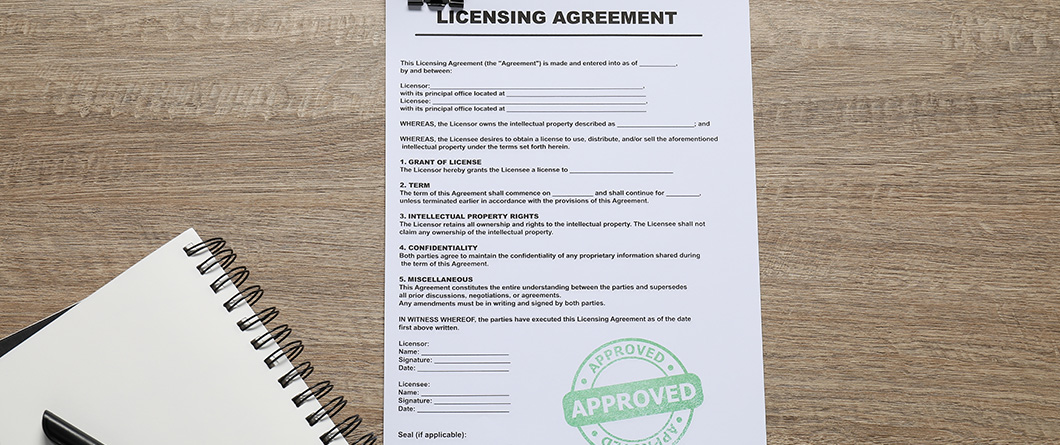
Most DMO influencer budgets underperform because the content stops working the moment the campaign ends. A creator posts a Reel. The DMO gets organic reach for 48 hours. Then the asset disappears from the algorithm. The gap between an average program and a top one comes down to how rights and usage get structured before the creator ever posts.
Three rights categories matter for destinations. The first is organic usage rights. These let the DMO repost or share the creator’s content on its own social channels. Most creator contracts include limited organic rights by default. But spelling out the duration in writing, usually 90 days to 12 months, keeps the DMO from having to take content down later. The second is paid amplification rights. These let the DMO run the creator’s content as boosted posts or paid social ads. This is where most of the compounding ROI sits, and it has to be negotiated upfront. Adding it later is expensive. Paid amplification usually adds 25% to 50% to base rates for 30-day windows.
The third is whitelisting, also called creator licensing. The DMO runs paid ads through the creator’s own handle so the ad shows up as native content from the creator, not the destination brand. This structure consistently performs best. Per Afluencer’s 2026 influencer rates guide, whitelisted ads often deliver 30 to 50% better CPA than standard brand-run ads, which is why creators charge a monthly whitelisting fee, typically $100 to $1,500+ on top of content rates.
The strategic shift for DMOs is treating usage rights as part of the media plan, not a contract afterthought. A $3,000 creator partnership with 12 months of paid amplification rights can drive more measurable visits than a $10,000 partnership with organic-only terms. Exclusivity clauses that stop a creator from working with competing destinations carry a premium. They should only be used when a specific campaign window or a regulated market justifies the cost. DMOs building their 2026 influencer strategy should budget rights as their own line item from day one.
Platform Strategy for Destination Influencers: Instagram, TikTok, and YouTube Performance Benchmarks

Each platform plays a different role in how travelers discover destinations. DMOs that treat them the same leave real performance on the table. The fastest way to decide where to place creator partnerships is to match each platform’s main user behavior to the funnel stage the campaign needs to move.
TikTok is the strongest platform for discovery and cold-audience reach. The For You Page serves creator content to users who do not follow the account. That means a small destination working with a micro-creator in the outdoor adventure niche can reach travelers who have never heard of it. Per Dash Social’s 2026 travel and hospitality benchmarks, travel brands should aim for a 3.0% to 3.5% engagement rate on TikTok, with short-form video blending personality, humor, and destination footage performing strongest.
Instagram Reels are still the best format for moving travelers from inspired to seriously considering. Followers who already like travel use Reels to validate destinations they are thinking about. Per Socialinsider’s 2026 benchmarks report, Instagram’s engagement rate averages 0.48%, with Reels consistently outperforming static feed posts and carousels on the platform. For DMOs, that means Instagram partnerships should lead with Reels first, and creator content should lean into utility (what to do, where to eat, how to plan) along with visual inspiration.
YouTube earns attention at the consideration and decision stages, when travelers are digging into itineraries and asking, “Should I actually book this trip?” Long-form travel content builds evergreen SEO value that keeps driving visits for months. Buffer’s 2026 analysis of over 52 million social posts ranked YouTube among the stronger platforms for sustained audience attention. Its search-driven discovery makes it especially useful for destinations with complex itineraries or specialty-interest travel. Shorts drive discovery, while long-form integrations and destination guides turn consideration-stage interest into booking intent.
The integrated play is to use the same creator across all three platforms with platform-native content adapted for each. TikTok drives awareness. Instagram Reels builds consideration. YouTube closes the research loop.
Attribution and Measurement: Tracking Influencer Impact from Content to Actual Visitation

Attribution is where destination influencer programs break down, and where the gap between a $50,000 experiment and a $50,000 investment becomes visible to the board. The core problem is structural. A creator’s post on Day 1 may not produce a visitor until Day 95. Standard digital attribution models collapse that long window into nothing.
DMOs need a measurement stack that works across four layers. The first is a direct-attribution setup. Every creator partnership should include unique UTM codes on every link in bio, unique promo codes tied to the creator’s audience, and pixel tracking on the DMO’s website to build retargeting pools. This layer captures travelers who convert quickly. For destinations, that is never the majority.
The second layer is geofenced mobile visitation tracking. Location intelligence platforms built for tourism use mobile device data to measure real arrivals from travelers exposed to a campaign, compared to a matched unexposed control group. Most DMOs underuse this for influencer content. When a destination treats creator partnerships as a measurable media buy instead of organic social, it can measure arrival lift the same way it would a CTV or display buy.
The third layer is view-through attribution across a 30 to 90-day window. As industry measurement guidance makes clear, last-click attribution systematically undervalues influencer content that creates awareness and intent earlier in the funnel. A U-shaped or position-based model, giving 40% credit to the first touch, 20% across middle touches, and 40% to the last touch, captures the full contribution.
The fourth layer is post-visit survey data. This can come from visitor centers, hotel partners, or digital visitor guides. A single question — “how did you first hear about this destination?” — collected at scale gives a ground-truth signal for what digital attribution misses.
DMOs that build this stack stop arguing over whether influencer marketing works. They start arguing over which creators and platforms contribute the most. For an evok-style approach to destination social and booking measurement, see our guide on turning destination social media into direct bookings.
What Attribution Challenges Do Destinations Face When Tracking Influencer Campaign Impact?
Between 26% and 60% of marketers name ROI measurement as their top obstacle in influencer marketing, according to the Influencer Marketing Hub benchmark report cited by Moburst’s 2026 ROI analysis. For destinations, three attribution gaps drive most of that difficulty. The long inspiration-to-visit window, often 60 to 120 days, outlasts the lifespan of standard attribution cookies. The final conversion is offline (an actual visit, not a checkout). And the path is multi-touch, where creator content mixes with search, social ads, and word of mouth before a traveler books. Solving this takes a stack that layers direct attribution, geofenced visitation tracking, and view-through modeling, not any single method on its own.
Building Long-Term Ambassador Programs vs. One-Off Campaign Activations

The fastest way for a DMO to underperform in influencer marketing is to treat every partnership as a one-time transaction. One-off campaigns reset to zero after each post. Ambassador programs compound. The creator’s audience sees the destination mentioned again and again over 6, 12, or 24 months, which builds an association that no single sponsored Reel can create.
Destination ambassador programs work differently from product ambassador programs. A skincare ambassador shows the product weekly. A destination ambassador visits seasonally, experiences different parts of the place, and produces content across weather, events, and trip types. That seasonal variety is what makes the model work so well for DMOs. One creator partnership can produce content for spring wildflowers, summer waterways, fall festivals, and winter wildlife.
The ROI case for ambassador structures is well documented. According to Aspire’s 2026 campaign data, ambassador programs delivered the highest ROI of any influencer strategy in their survey, with 63% of creators preferring long-term campaigns over other types of collaborations. Creator preference matters to DMOs because it directly affects content quality. Ambassadors in a long-term relationship produce more layered, thoughtful content than creators turning in a one-off deliverable.
The building blocks of a working DMO ambassador program are simple. A term of 12 to 24 months. A set content cadence, usually two to four trips per year, with specific deliverables. A base retainer plus per-trip fees. Extended usage rights that cover the full program term. And clearly define exclusivity terms that prevent the ambassador from working with competing destinations during the contract. This last part is where many DMOs under-negotiate. Exclusivity costs more up front but protects the investment from being diluted when the ambassador also promotes a nearby rival destination.
One-off campaigns still have their place, especially for launching a new theme, activating around a specific event, or testing a creator before offering an ambassador deal. The strongest DMO programs pair both models. Ambassadors provide a steady year-round presence. One-off activations layer in seasonal reach and new audience discovery. The real question for 2026 is not whether to run ambassador programs. It is the 5 to 10 creators who are worth the long-term investment.
Frequently Asked Questions About Destination Influencer Marketing Strategy

The destination influencer playbook above lays the foundation, but every DMO program faces specific tactical questions as it scales. The answers below cover the ones tourism boards and destination marketing leaders ask most often about creator partnerships, budgets, and measurement. To pressure-test your own program against these frameworks, Evok’s destination marketing team works with DMOs nationwide on creator program design, attribution setup, and long-term ambassador strategy.
What ROI can destinations realistically expect from micro-influencer marketing campaigns in 2026?
Destination awareness campaigns usually generate $3 to $7 in Earned Media Value for every $1 spent, with top-quartile campaigns in well-targeted niches going above $10 in EMV per dollar. The range is wide because ROI depends on creator-audience fit, content rights structure, and whether the DMO has attribution in place to catch view-through visits past the immediate window. DMOs that only measure website traffic or promo code redemptions consistently underestimate true ROI by a lot.
How do destinations vet micro-influencers to ensure authentic engagement versus fake followers?
Effective vetting uses five layers: audience authenticity screening (using tools like HypeAuditor, Modash, or Sparktoro), geographic audience check to confirm the creator reaches the DMO’s feeder markets, niche fit based on actual content from the last 90 days, past brand-partnership performance review, and brand safety audit of the creator’s recent posts and comments. Skipping any one of them usually leads to a partnership that underperforms or creates reputation risk.
Should destinations compensate influencers with free travel or pay cash fees for content creation?
Established creators now expect cash on top of any hosted-trip elements. Hosted-only deals still work for nano-tier creators building their portfolios. For micro and mid-tier partnerships, the standard structure is a base fee plus coverage of travel, lodging, and experiences. Hybrid models that add performance bonuses for tracked conversions are increasingly common, often with a base fee plus 10% to 15% commission on tracked performance.
Which social media platform delivers the best ROI for destination influencer marketing campaigns?
Each platform serves a different funnel stage. TikTok drives cold-audience discovery and has the highest engagement rates across creator tiers. Instagram Reels handles the move from inspired to considering for audiences already interested in travel. YouTube captures the consideration and decision stages through long-form content with lasting SEO value. The strongest DMO programs use the same creator across all three platforms with platform-native content adapted for each, instead of treating any single one as the answer.
How do destinations structure long-term ambassador programs versus one-time influencer activations?
Working DMO ambassador programs run 12 to 24 months with two to four trips per year, combine a base retainer with per-trip fees, include extended usage rights for the full program, and lock in exclusivity so the ambassador cannot work with competing destinations. One-off activations still make sense for launching new themes, activating around specific events, or testing creators before offering an ambassador deal. The strongest programs use both. Ambassadors provide a steady year-round presence. One-off activations layer in seasonal reach and new audience discovery.